Flying east vs flying west: why direction matters
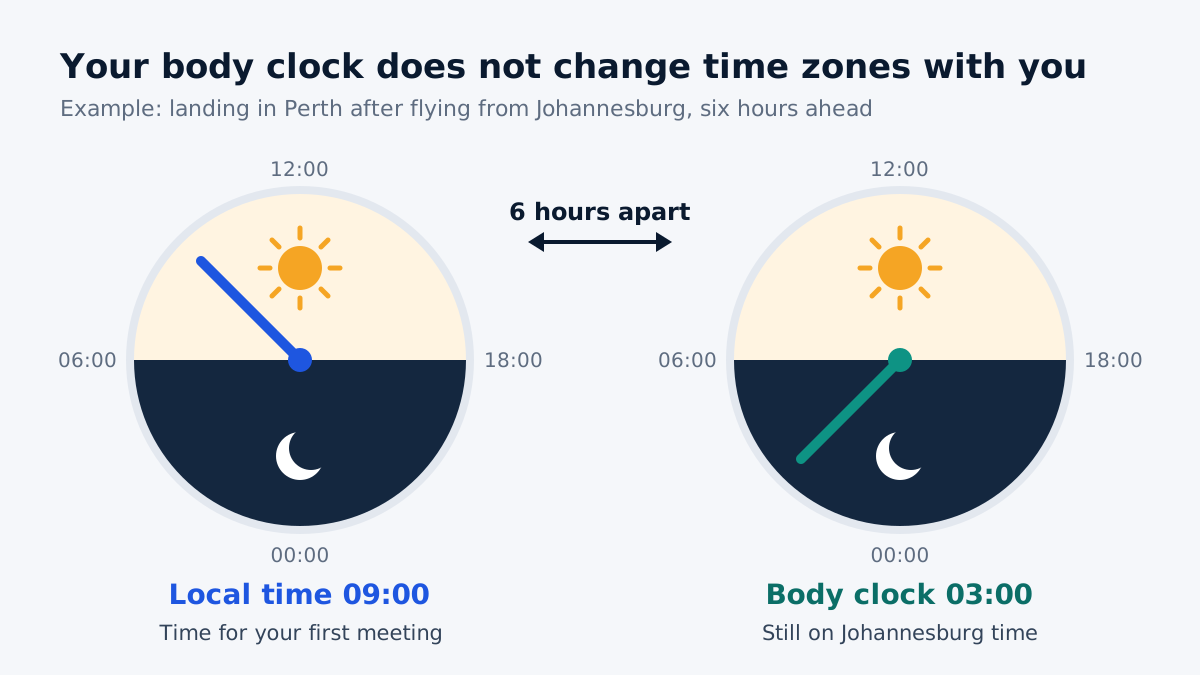
Most travellers notice that flying east hits harder than flying west. It is not in your head. It comes down to which way your body clock has to move.
2 min read
Your clock prefers to run late
For most people the body clock naturally runs a little longer than 24 hours. Left alone, it drifts later rather than earlier. That is why staying up an hour late is easy, but falling asleep an hour early is hard.
Travel direction decides which of those two your body has to do:
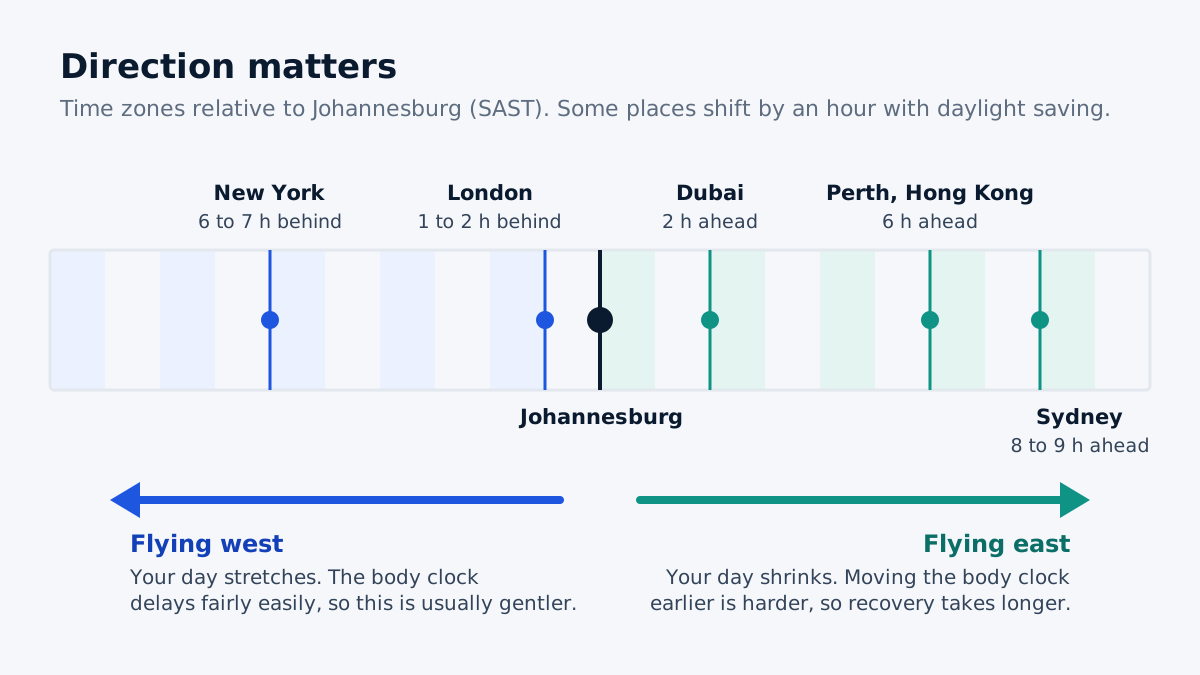
- Flying west makes your day longer. Your body clock has to run later, which suits its natural tendency. Most people adjust a little faster.
- Flying east makes your day shorter. Your body clock has to move earlier, against its natural tendency. Adjusting usually takes longer.
What this means for trips from South Africa
South Africa sits in a handy spot for Europe. London is only one or two hours behind Johannesburg, so a trip there mostly brings travel fatigue rather than real jet lag. The big shifts come with east or west travel:
- Westward: New York is six or seven hours behind, and São Paulo about five hours behind.
- Eastward: Perth and Hong Kong are six hours ahead, and Sydney eight or nine hours ahead.
Remember the return leg too. A holiday in New York means an easier westward flight out, but an eastward flight home, which is often the harder one.
Very big jumps east
On very large eastward jumps, around eight hours or more, some people find their body clock seems to adjust the long way round, as if it had travelled west instead. It is one reason trips to Australia and the Far East can take a week or more to feel normal.
How to time light for each direction
Light shifts your body clock, and the time of day matters:
- After flying east, seek daylight in the morning and keep evenings dim. Morning light helps pull your clock earlier.
- After flying west, seek daylight in the afternoon and early evening, and avoid very bright light first thing in the morning for the first few days.
- After a very large jump east, go easy on very early morning light for the first day or two, then favour late morning light. Getting light too early in your body clock night can push it the wrong way.
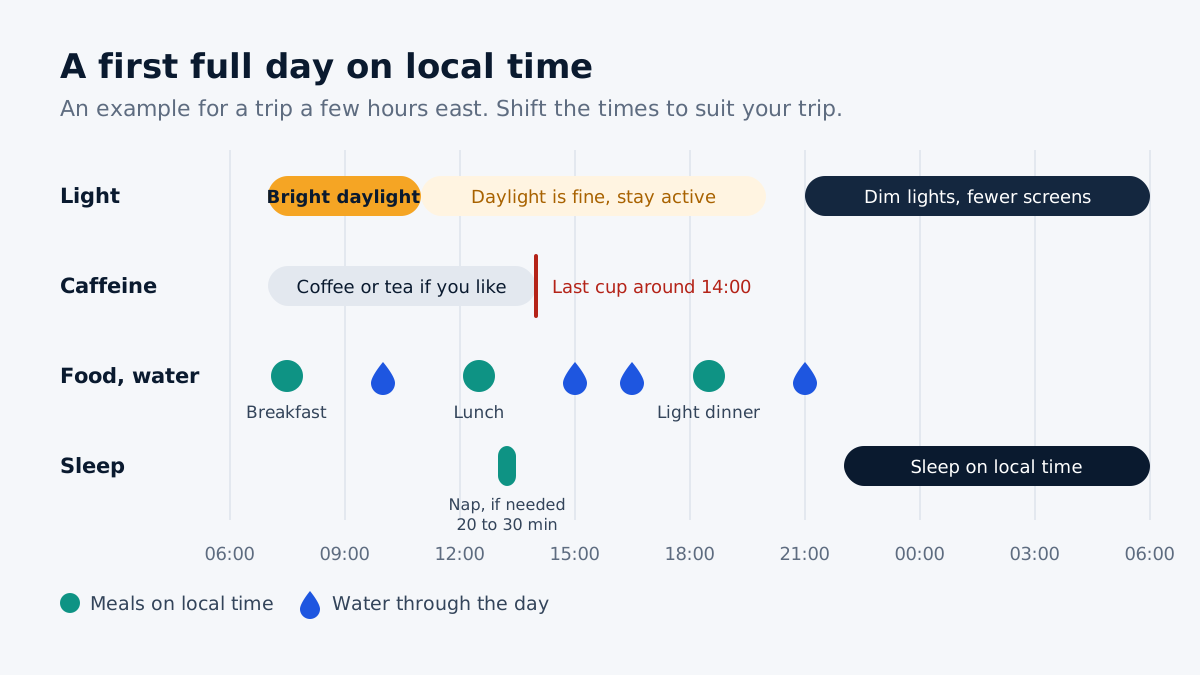
Our guide to light, sleep, hydration and meals puts this into a simple daily plan.
Plan around the direction
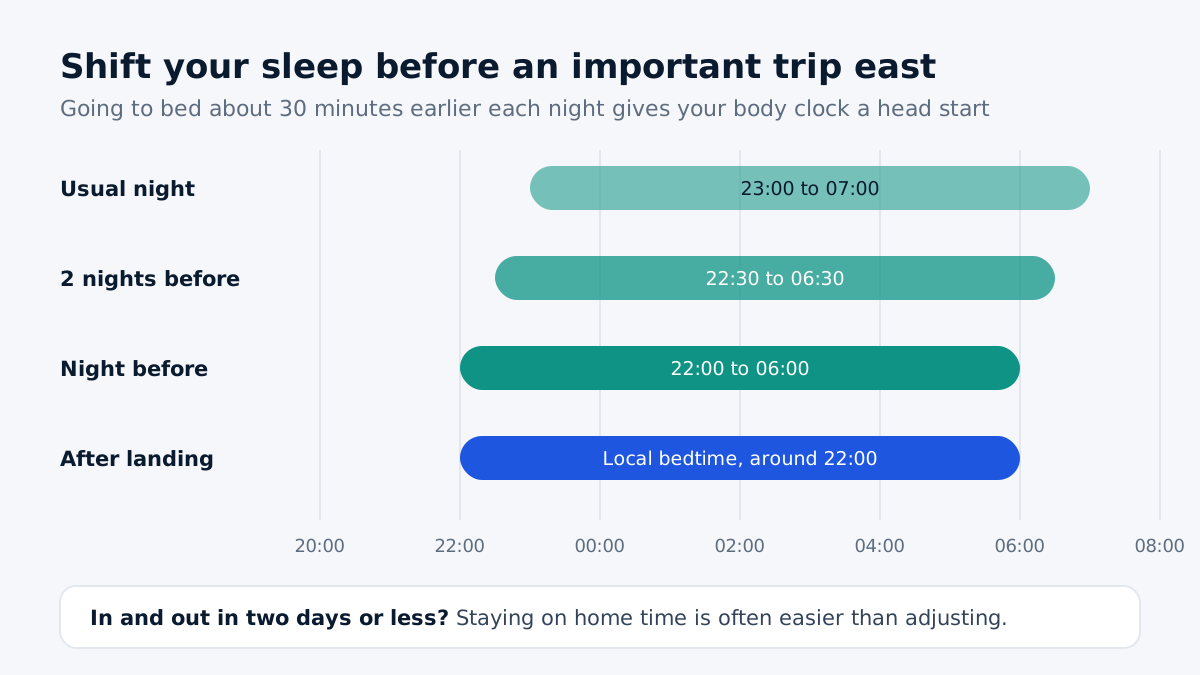
- Before an eastward trip, go to bed a little earlier each night for a few days.
- Before a westward trip, stay up a little later each night instead.
- Book important events for the second half of your trip after a long eastward flight if you can.
The honest summary
Direction is something you cannot change, but you can plan for it. Expect eastward trips to take longer, give yourself an easier first day or two, and use light at the right times to help your clock along.