How to beat jet lag: a before, during and after flight routine
There is no single trick that cancels jet lag, but a simple routine that starts a few days before you fly can make the first days of your trip far better.
3 min read
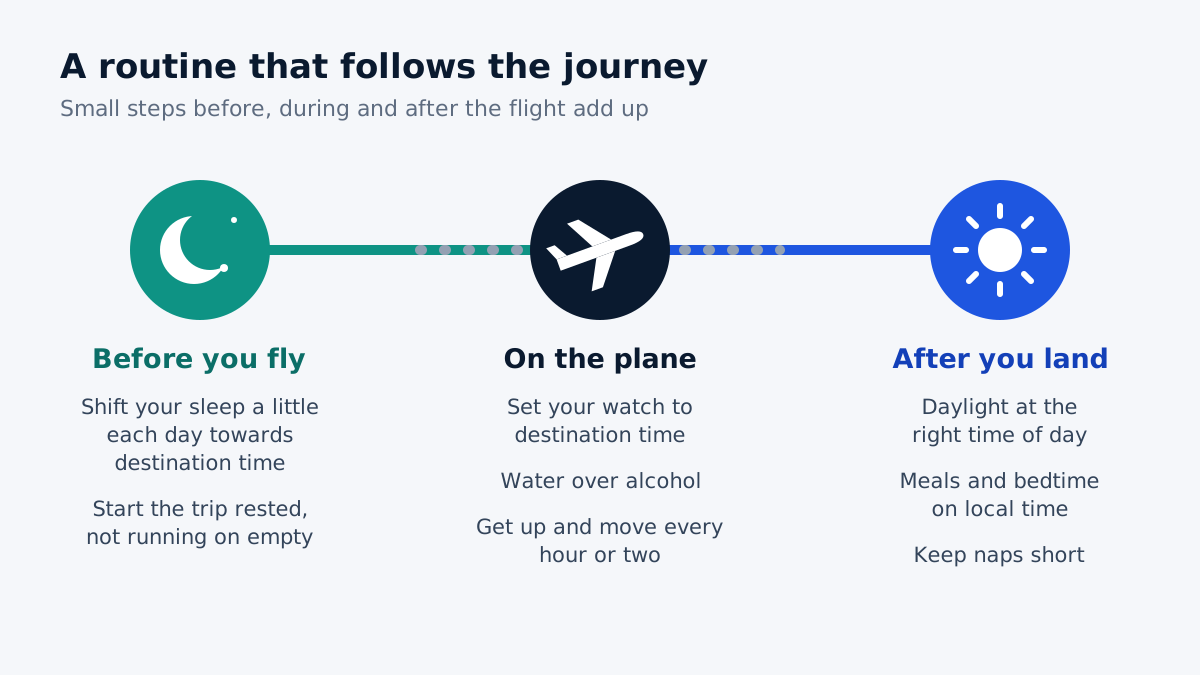
Jet lag happens because your body clock is still on home time. Everything in this routine has one goal: to give that clock clear, consistent signals about the new time zone so it catches up sooner. If you are new to the topic, start with What jet lag is, and why it happens.
Before you fly
- Start rested. Going into a long trip already short on sleep makes jet lag noticeably worse. Protect your sleep in the days before you leave, even if packing runs late.
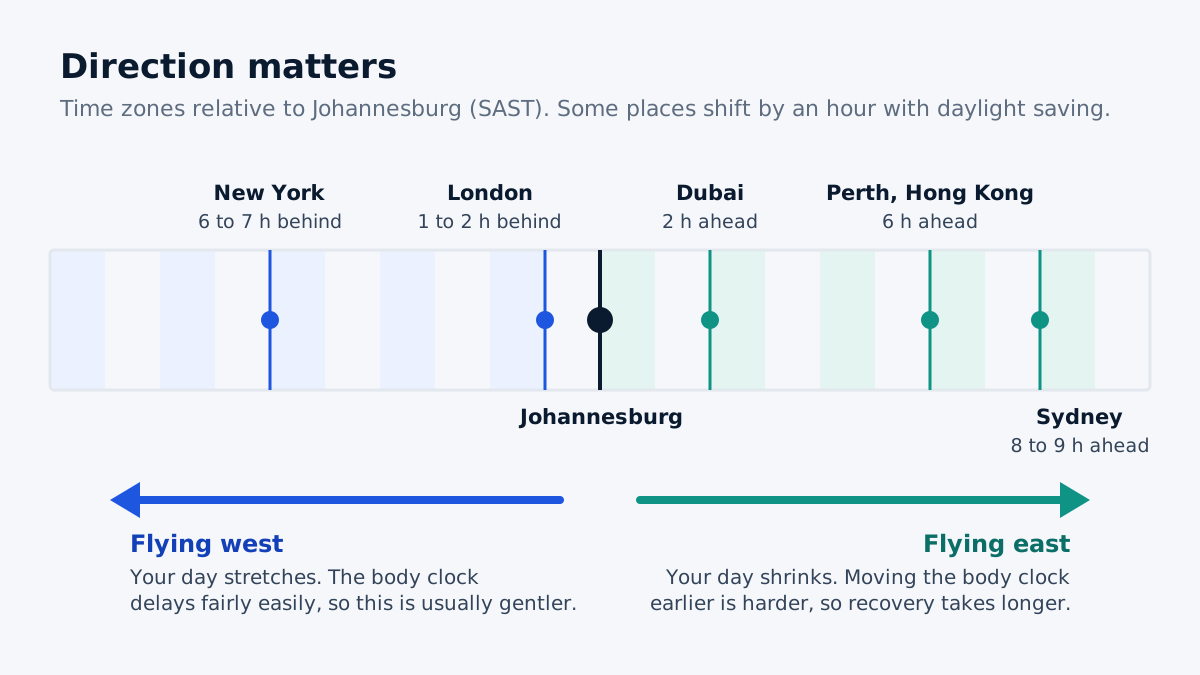
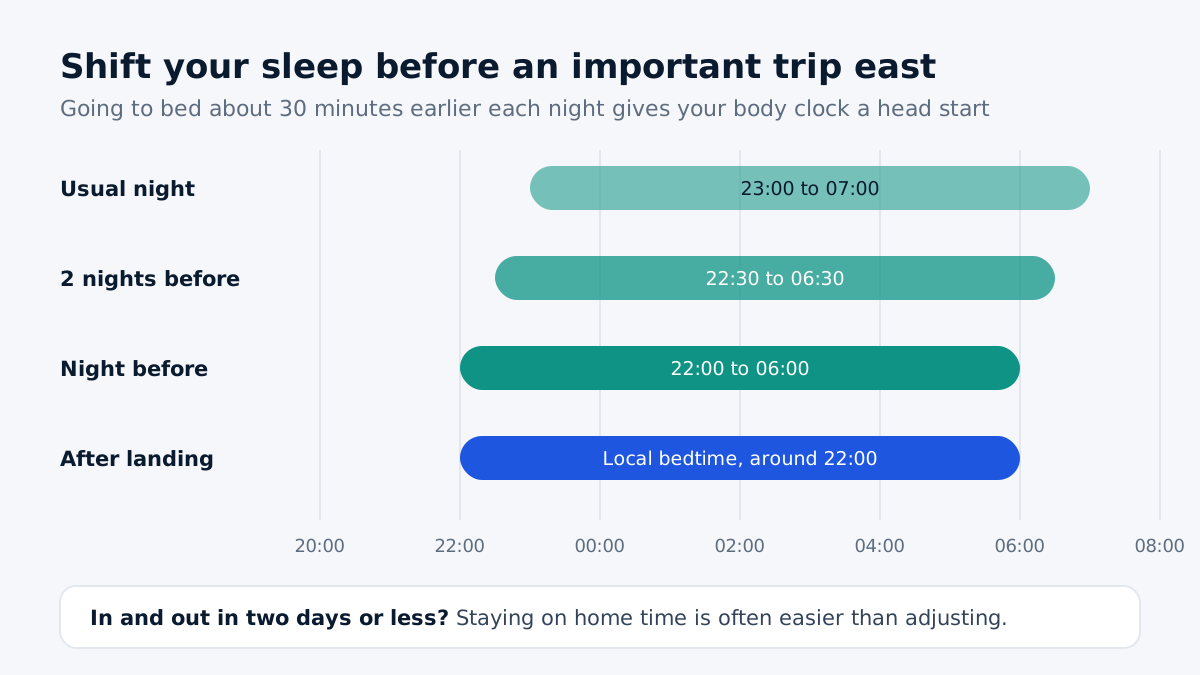
- Shift your sleep a little. For a big time change, move your bedtime and wake up time by 30 to 60 minutes a day for two or three days before you fly. Go earlier if you are flying east, later if you are flying west.
- Plan your arrival. Check what time you land in local time. If it is morning, plan to stay up until a normal local bedtime. If it is evening, plan a calm, dark wind down.
- Pack for rest. An eye mask, earplugs or noise cancelling headphones, a refillable water bottle and comfortable layers all help.
Some travellers add Jet Lag Calm to this stage, taking one capsule before the flight as the label directs, to take the edge off travel stress and help them rest on board.
On the plane
- Switch to destination time as soon as you board. Set your watch and phone, and ask yourself what you would be doing at that hour at your destination.
- Sleep if it is night where you are going, and try to stay awake if it is daytime there. An eye mask makes sleeping easier. Bright screens make it harder.
- Drink water regularly. Cabin air is very dry. Go easy on alcohol, which dehydrates you and gives you lighter, more broken sleep.
- Move. Walk the aisle and stretch your calves and ankles every hour or two when it is safe to do so. It helps you feel less stiff and supports healthy circulation on long flights.
- Eat with the destination in mind. If the meal service does not match local meal times, a lighter meal and a snack later can work better.
After you land
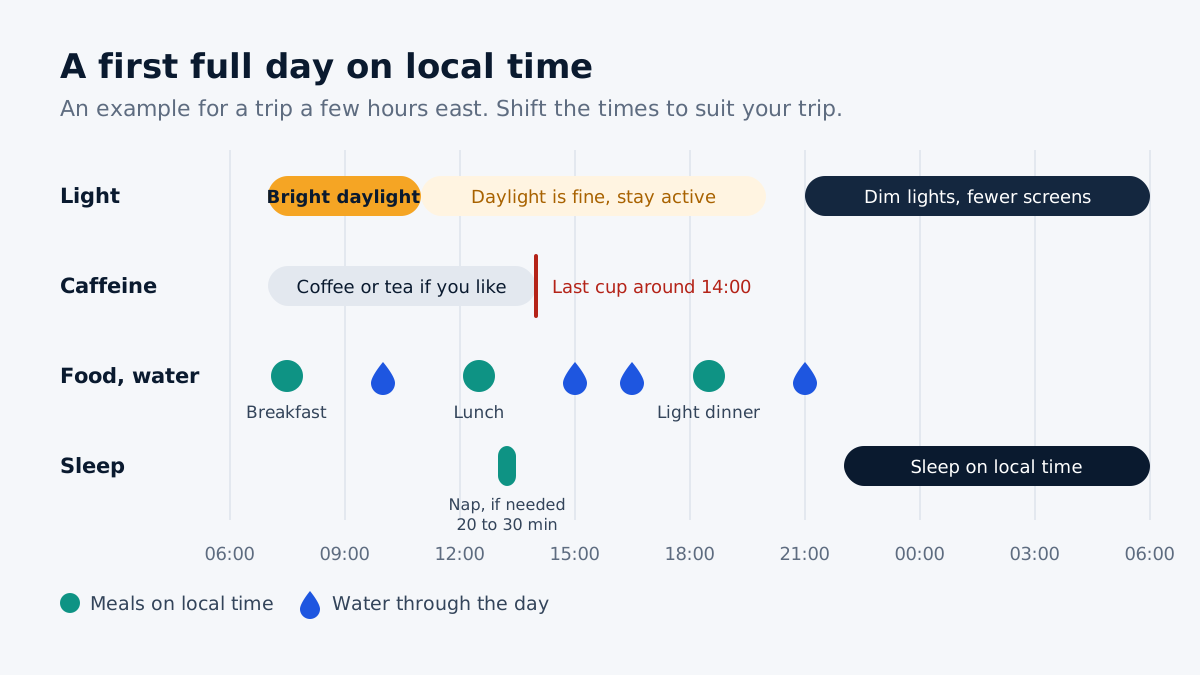
- Get daylight at the right time. Light is the strongest signal your body clock has. After flying east, get outside in the morning. After flying west, get outside in the late afternoon. Our guide to light, sleep, hydration and meals has the details.
- Live on local time straight away. Eat meals at local times and go to bed at a normal local bedtime, even if you feel wide awake or exhausted.
- Keep naps short. If you must nap, keep it to 20 or 30 minutes and before mid afternoon, so it does not steal your night sleep.
- Be active outdoors. A walk in daylight beats an afternoon in a dark hotel room.
- Use caffeine wisely. A coffee in the local morning is fine. Avoid it from mid afternoon.
This is the stage Jet Lag Awake is designed for. Some travellers take one capsule in the morning after landing, as the label directs, alongside the daylight and routine above. It contains caffeine, so count it towards your coffee for the day and keep it to the morning.
Short trips
If you are only away for two or three days, it can be easier not to adjust at all. Keep roughly to home time, schedule important meetings for when you would normally be alert, and save the routine for longer trips. Our tips for business travellers go into this.
The honest summary
No capsule, gadget or trick makes jet lag vanish overnight. What works is the basics, done at the right time: rest before you go, sensible habits on the plane, and daylight, meals and sleep on local time once you land.