Jet lag symptoms and how long they last
From 3 am wake ups to a foggy afternoon brain, here is what jet lag usually feels like, how long it tends to last, and when it is worth seeing a doctor.
3 min read
Common symptoms
Jet lag affects people differently, and the same person can feel it more on one trip than another. The most common signs are:
- Trouble falling asleep at night, or waking up very early and not getting back to sleep
- Sleepiness and low energy during the day, often worst in the afternoon
- Poor concentration, slower reactions and forgetfulness
- Irritability or a flat mood
- Headaches
- Changes in appetite, indigestion, constipation or a loose stomach
- A general feeling of being unwell or out of sync
Jet lag or travel fatigue?
They often overlap, but they are not the same thing.
- Travel fatigue comes from the journey itself: early starts, queues, a cramped seat, dry cabin air and broken sleep. It happens on any long trip, even one with no time difference, and usually lifts after a good night of sleep.
- Jet lag comes from crossing time zones. It does not go away after one night, because your body clock needs several days to catch up.
How long does jet lag last?
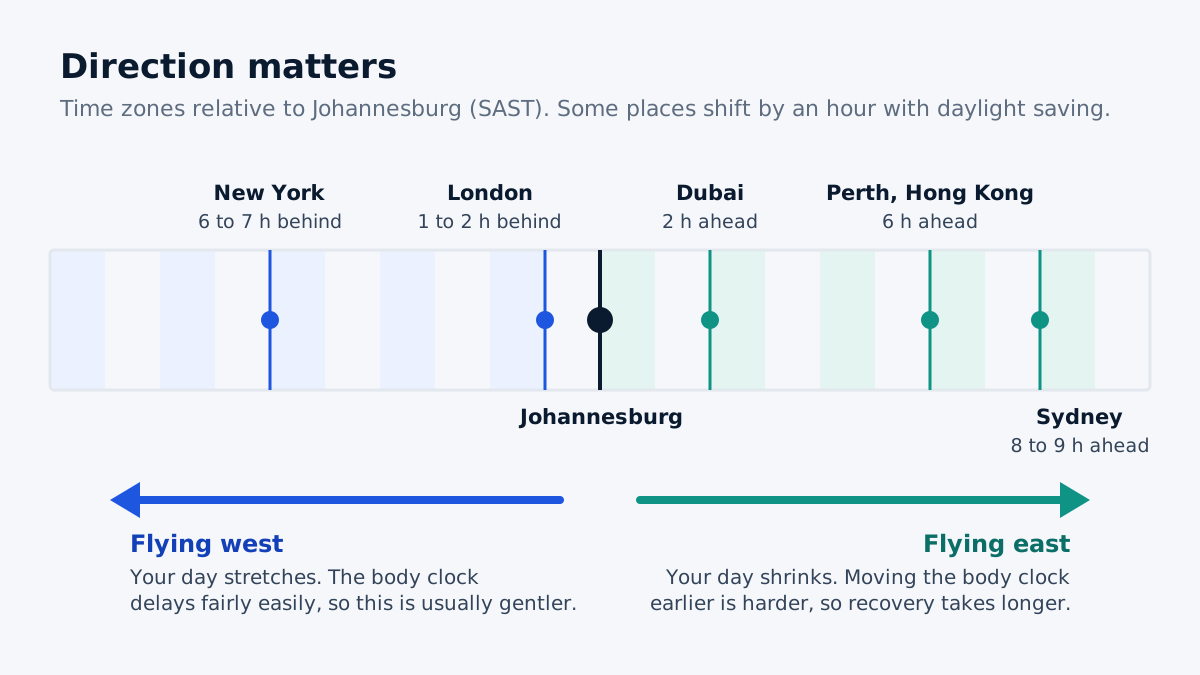
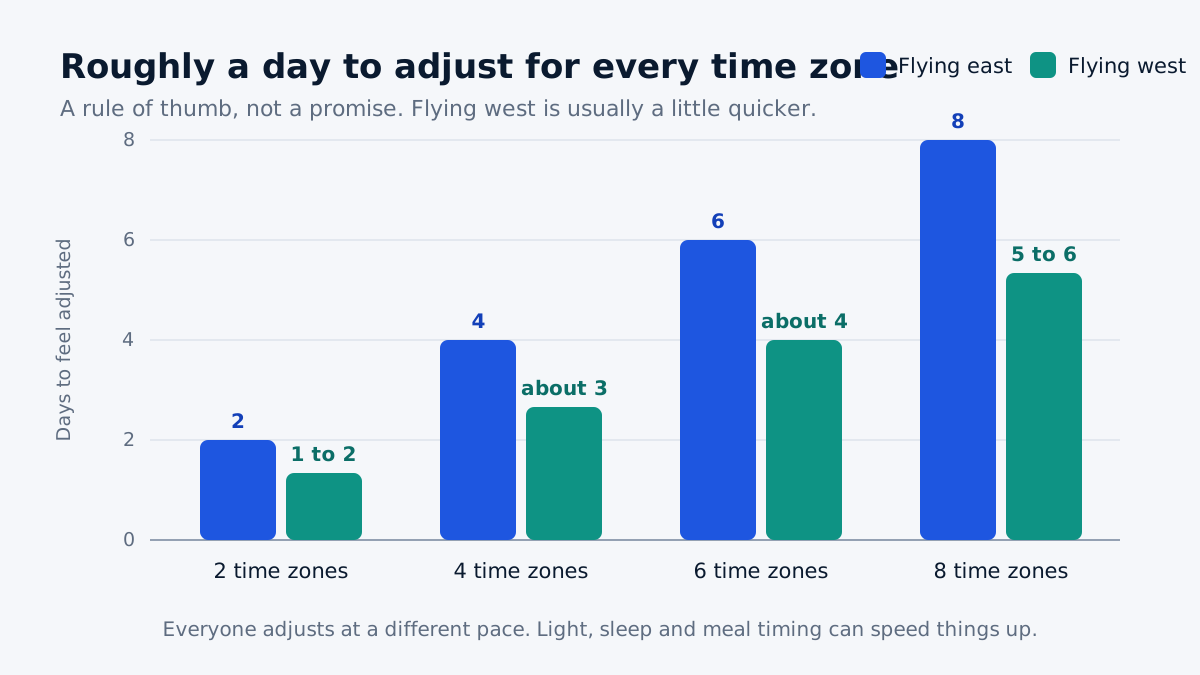
A common rule of thumb is about one day of recovery for every time zone you cross. Most people adjust a little faster after flying west than after flying east, because the body clock finds it easier to run later than earlier. You can read why in Flying east vs flying west.
Some rough examples from South Africa:
- Johannesburg to Dubai, two hours ahead: little or no jet lag for most people
- Johannesburg to New York, six or seven hours behind: often four or five days to feel fully normal
- Johannesburg to Sydney, eight or nine hours ahead: a week or more is common
These are only guides. Age, how well you slept before the trip, how much daylight you get at your destination and whether you stay on a regular schedule all make a difference.
What tends to make it worse
- Starting the trip already short on sleep
- Alcohol on the flight or late at night after landing
- Long naps in the afternoon at your destination
- Coffee late in the day
- Staying indoors and missing daylight
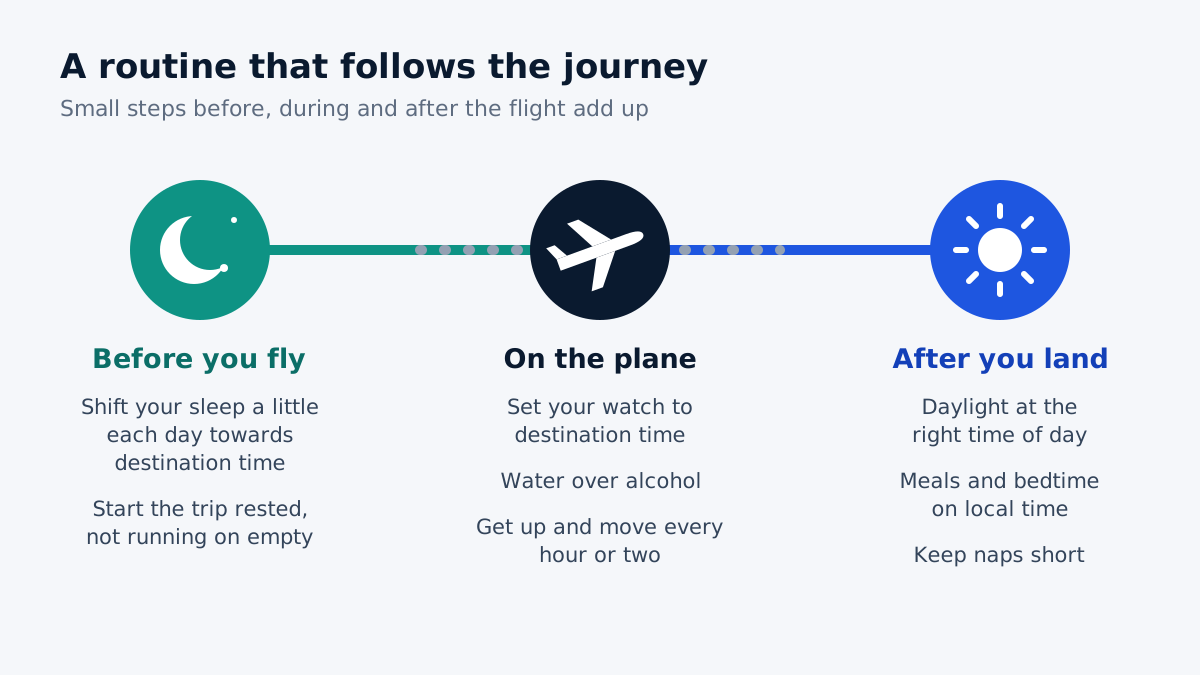
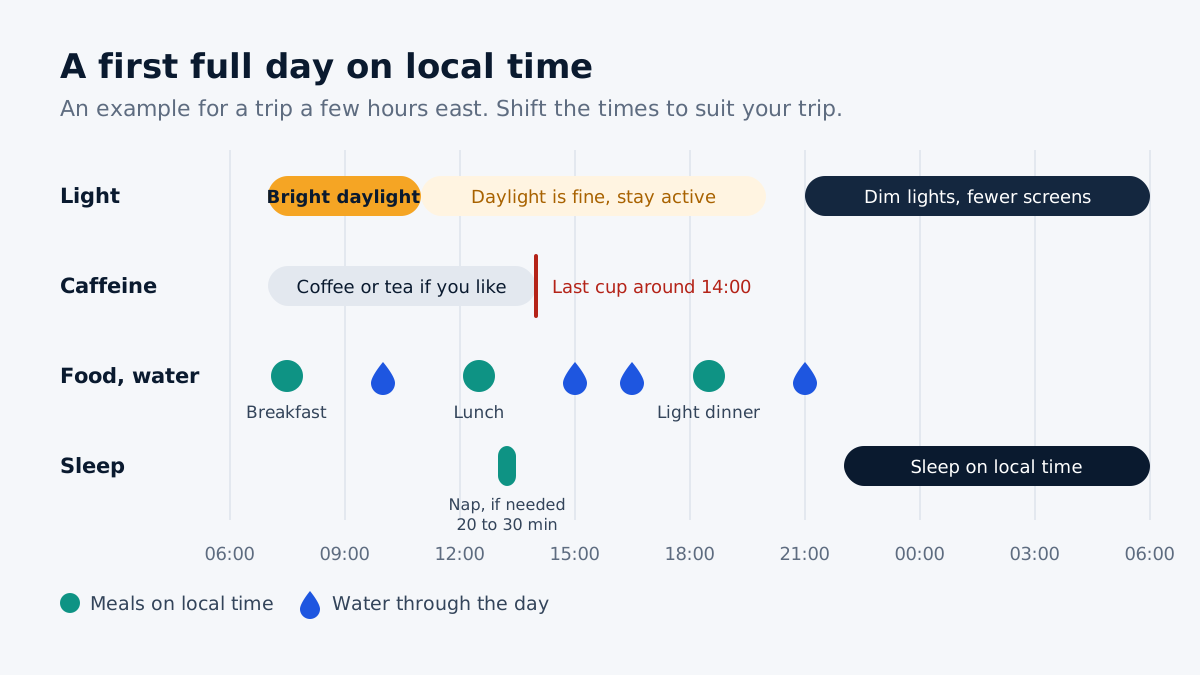
The good news is that most of these are within your control. Our before, during and after routine covers what helps.
When to see a doctor
Jet lag is uncomfortable but harmless, and it settles by itself. Speak to a doctor if:
- Your sleep problems carry on for more than two weeks after you get home
- You have chest pain, shortness of breath, or swelling, pain or redness in one leg after a long flight. These can be signs of a blood clot and need urgent attention.
- You develop a fever after travelling, especially from an area with malaria
- You take chronic medication, such as insulin, blood pressure or epilepsy medicine, or the contraceptive pill, and are unsure how to time doses across time zones
The honest summary
Expect a few off days after a big time change, and plan your first meetings and adventures with that in mind. With good habits most people feel themselves again within a week.