Jet lag tips for business travellers and frequent flyers
When you need to be sharp in a meeting the day you land, or you fly every month, jet lag needs a plan. Here is a practical one.
3 min read
First decide: adapt or stay on home time
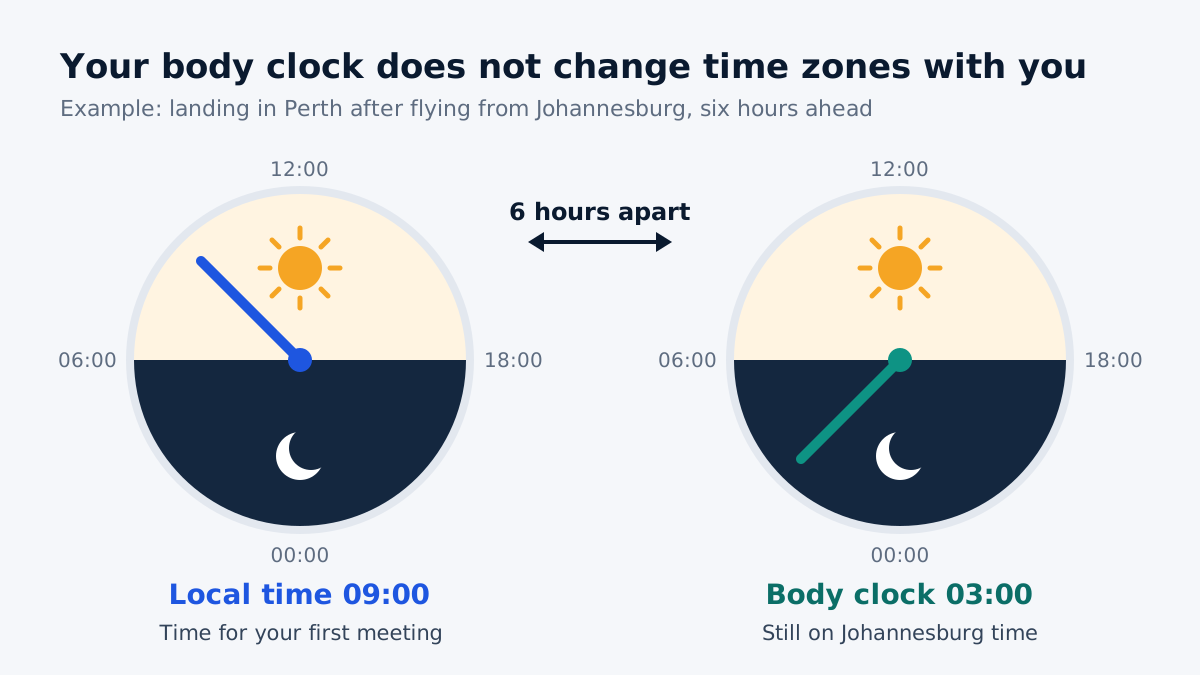
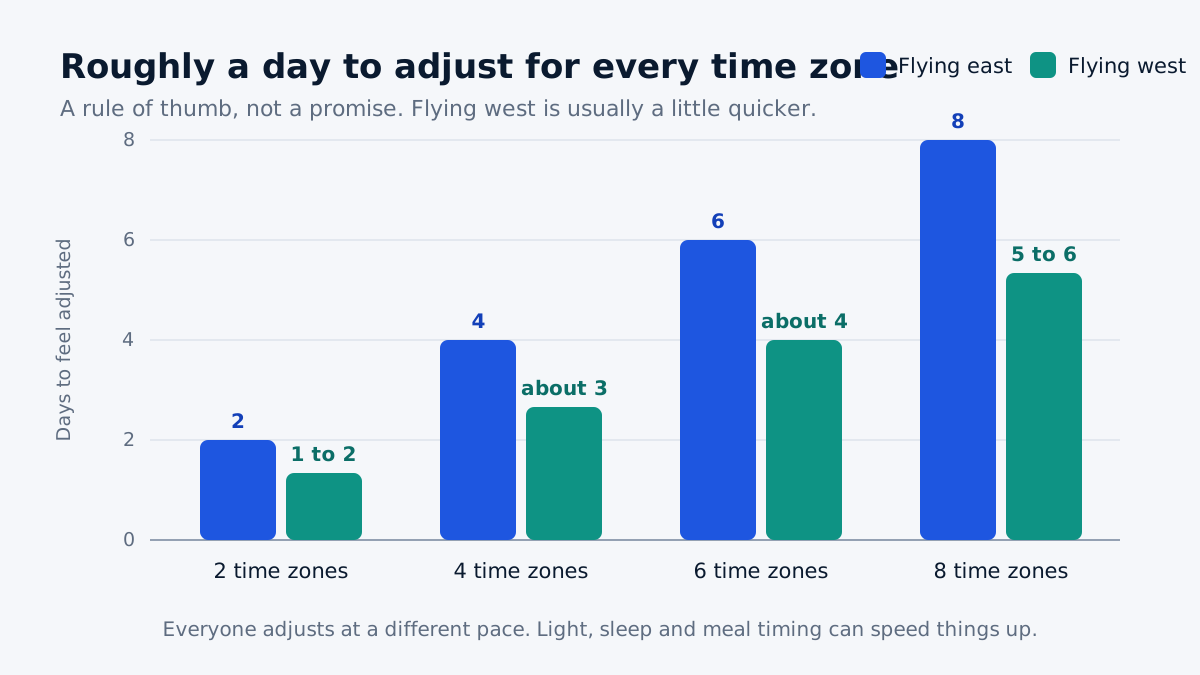
Adjusting to a new time zone takes days. On a short trip you may be home again before your body clock has caught up, only to jet lag in the other direction.
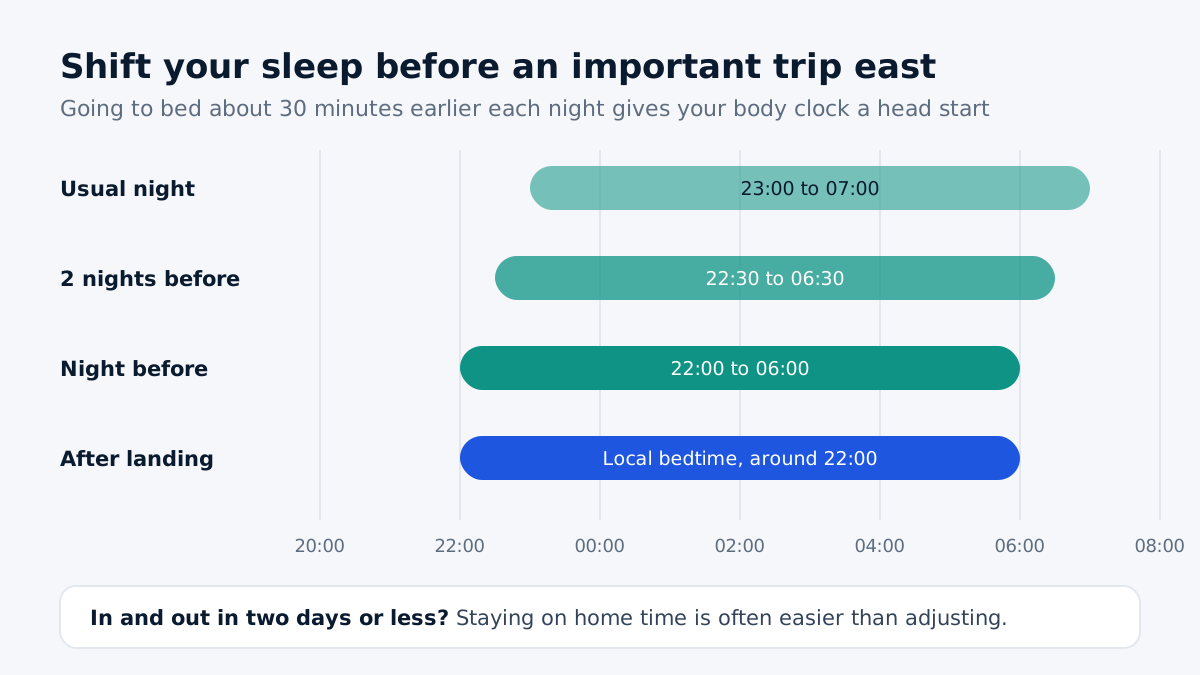
- Two or three days or less: consider staying roughly on home time. Sleep and eat as close to your normal home hours as the trip allows, and book key meetings for when you would usually be at your best.
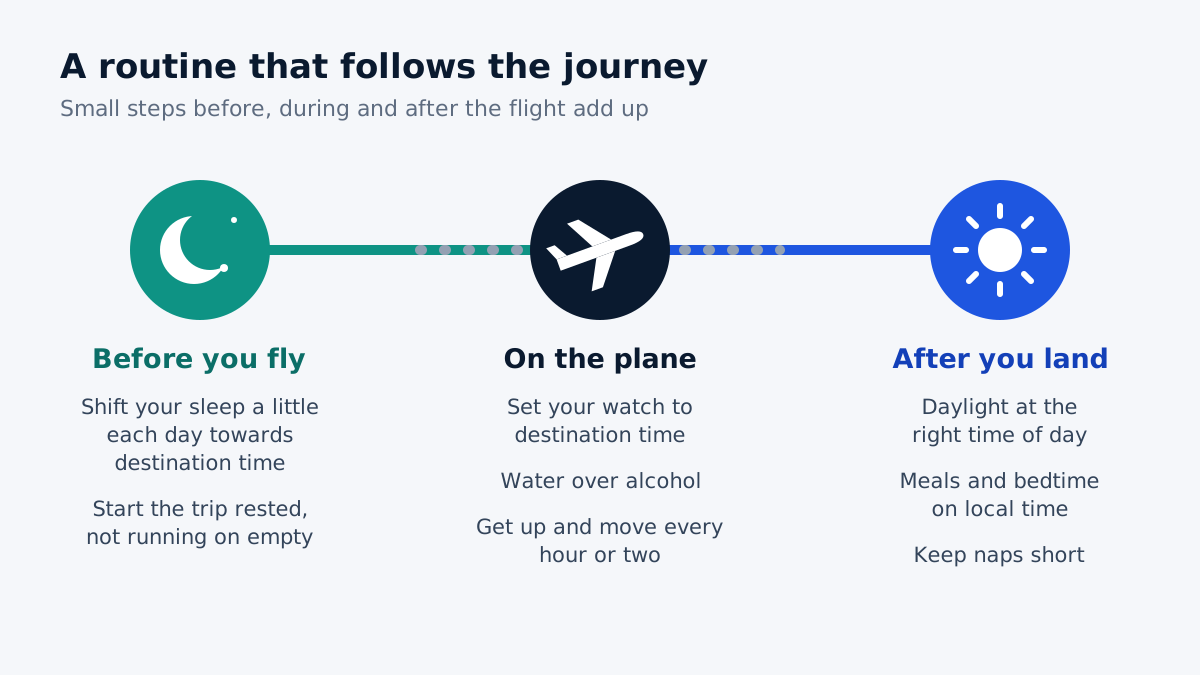
- Longer trips: adapt to local time as quickly as you can, using the before, during and after routine.
Schedule around your body clock
- Arrive a day early for anything that really matters, such as a pitch, a negotiation or a conference talk.
- After flying east, mornings are usually the hardest. Ask for late morning or early afternoon slots where you can.
- After flying west, you may fade early in the evening. Keep client dinners early and short for the first night or two.
- Avoid big decisions, and driving, when your body clock thinks it is the middle of the night. Take a taxi from the airport after a long overnight flight.
Use the flight well
- Decide before you board whether this is a work flight or a rest flight, based on destination time.
- On an overnight flight, eat early or before boarding, then sleep. Work can wait.
- Drink water through the flight and keep alcohol modest, especially with an early meeting on arrival.
On the ground
- Walk to nearby meetings, or take calls outdoors, to get daylight at the helpful time of day.
- Use the hotel gym or a short walk to stay alert in the afternoon rather than a long nap.
- Keep caffeine to the local morning and early afternoon.
- Protect a normal local bedtime, even if the evening schedule is busy.
If you fly often
- Guard your sleep at home. A regular sleep schedule between trips gives you a stronger starting point.
- Build in recovery. After a big eastward trip, avoid booking a demanding day for your first morning back.
- Keep a travel kit packed: eye mask, earplugs, refillable bottle, a layer for cold cabins and any medication in your hand luggage.
- Notice your patterns. Many frequent flyers learn which direction and which flight times suit them, and book accordingly.
- Check in on your health. If you are often exhausted, sleep badly between trips or take chronic medication, talk to your doctor about a plan that suits you.
A simple routine you can repeat
Some frequent flyers keep Jet Lag Calm in their travel kit for before the flight and Jet Lag Awake for the mornings after landing, used as the label directs. Jet Lag Awake contains caffeine, so it belongs in the morning. Like everything here, they work best as part of the routine, not instead of it. If you fly a lot, the Complete Combo keeps both in one box.
The honest summary
You cannot negotiate with your body clock, but you can plan around it. Choose whether to adapt, book the important things for when you will be at your best, and protect your sleep both on the road and at home.